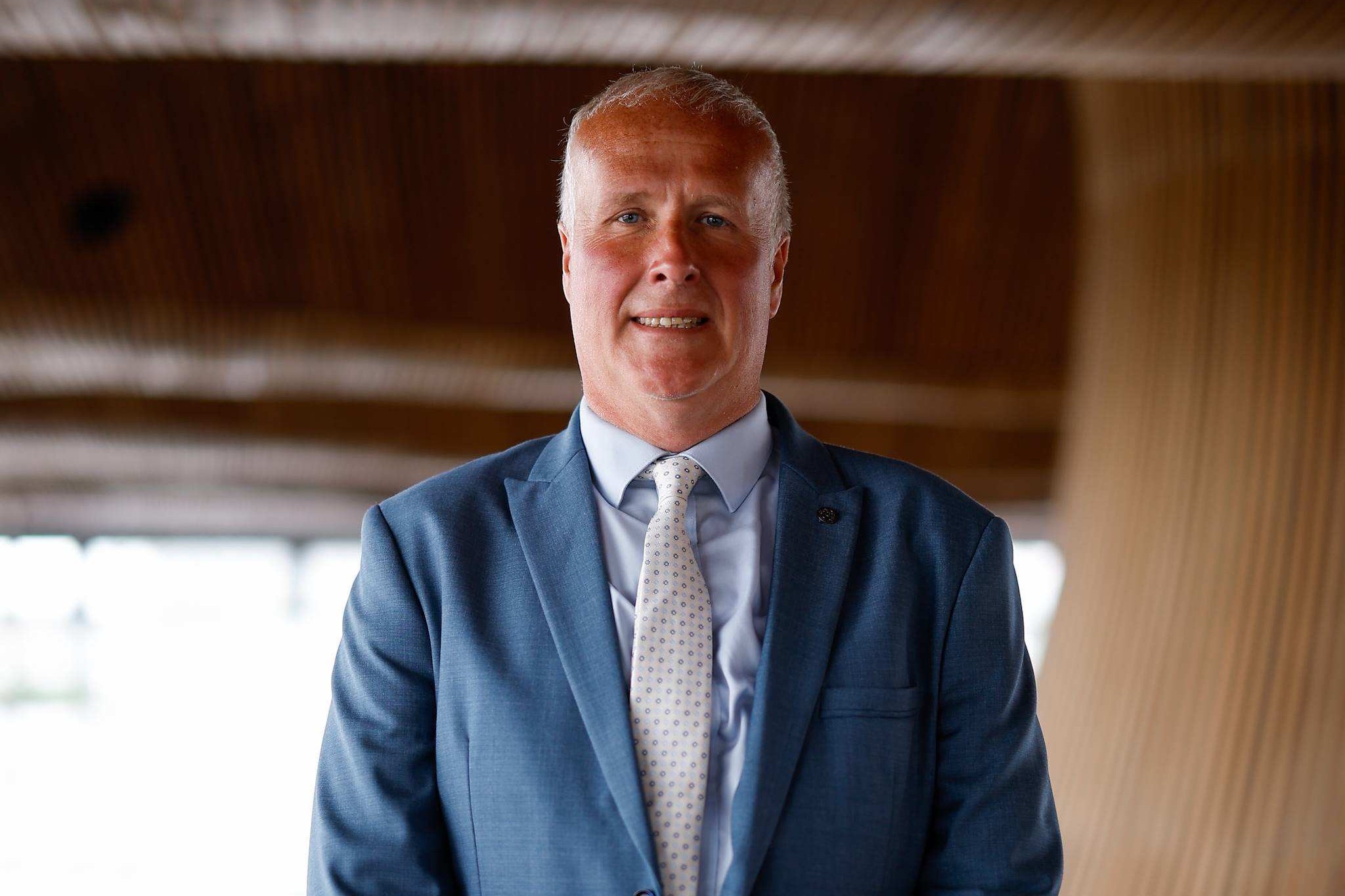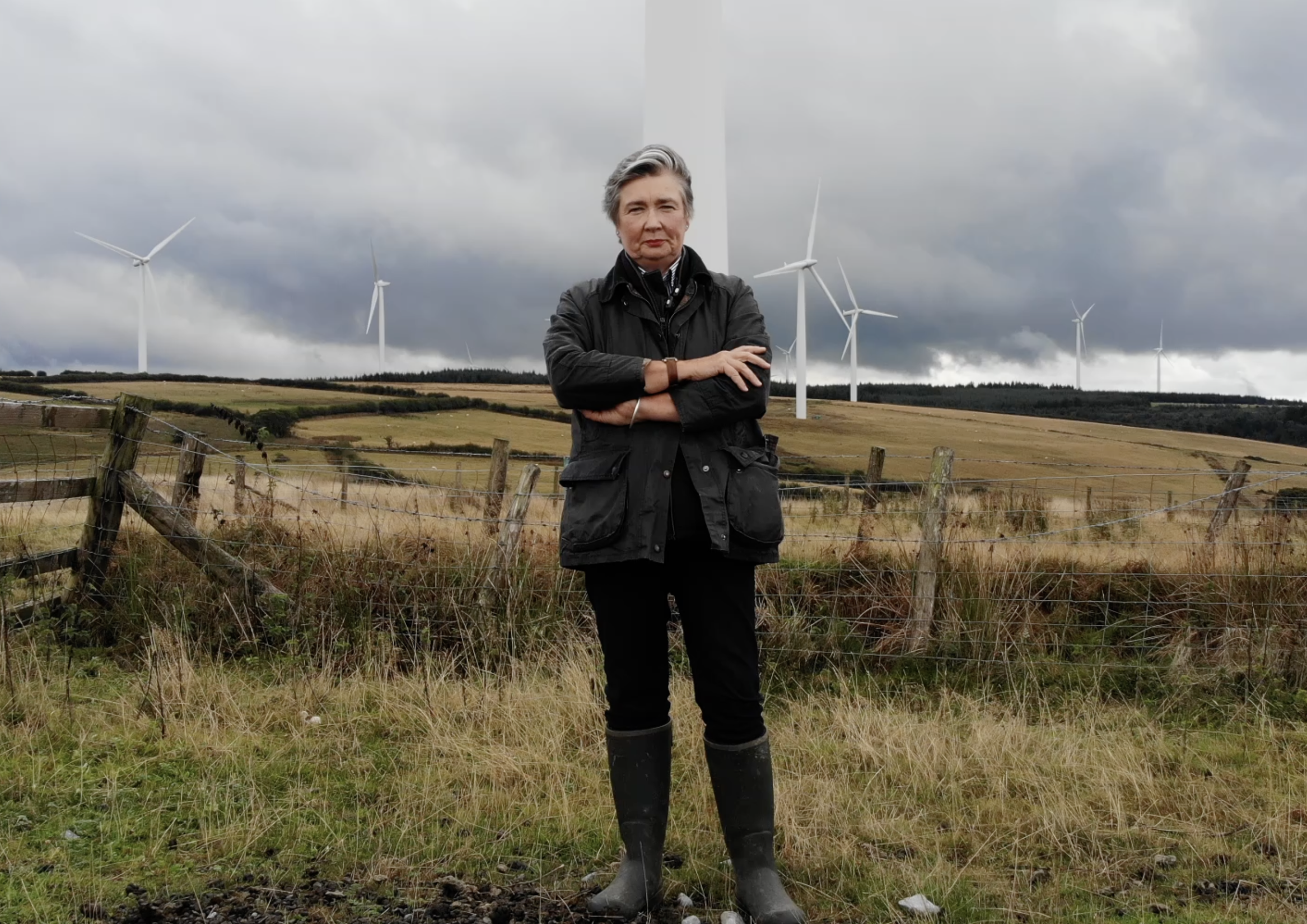
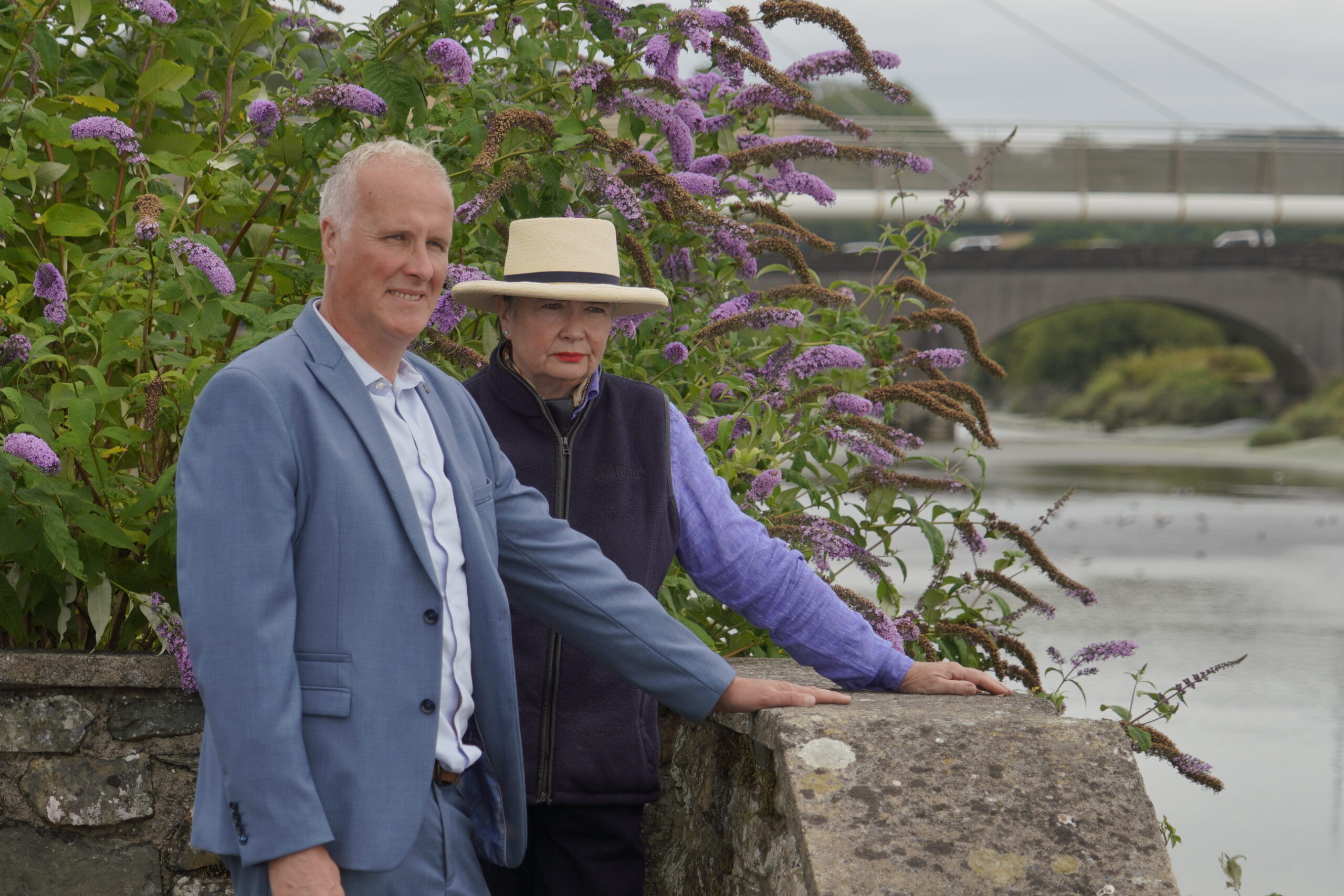
Gareth Beer MS and Sarah Edwards MS, Reform UK Members of the Senedd for Carmarthenshire, have pledged to make the condition of the River Tywi a high priority when the Senedd returns, after meeting the Carmarthen Coracle and Netsmen’s Association and seeing the state of the river for themselves.
On Monday 27 July, the two Members visited Canolfan y Cei in Carmarthen at the invitation of the Association, meeting Secretary Julie Rees, Chairperson Andrew Davies, and coracle fisherman Malcolm Rees, whose family have fished the Tywi for over three hundred years.
The Members were introduced to the history of coracle fishing, one of the oldest continuous fishing traditions in Wales and a living emblem of Carmarthen’s heritage. But the conversation turned quickly to the threats now facing it. The Association set out their assessment that the future of the fishery is in genuine jeopardy, with declining fish stocks and rising pollution threatening what they fear could be a collapse of the river’s ecosystem.
The figures they shared were stark. A licence to fish the Tywi costs each family £700, with a further £90 heritage licence on top, before the cost of hand-building the coracles themselves. In a good season a family might once have expected two to three hundred fish. This season, the most anyone has caught is six. As the trade becomes less viable, families are increasingly unable to justify the cost, and with every family that gives up, the tradition moves closer to disappearing.


The Association also voiced a wider frustration: that the people who know the river best, and who have acted for generations as its unofficial guardians, feel their concerns have been played down by the authorities. They made the point sharply, contrasting the heavy fines levied on farmers for silage entering rivers with what they see as a lighter touch shown to the water industry. Their warning was simple. The coracle men are the river’s independent monitors. If they disappear, no one will be left to raise the alarm when something goes wrong.
After meeting at the centre, the Association led the Members on foot along the river path, down to the outfall at Johnstown. The scene they encountered was distressing: a powerful stench in the air, a brown film across the surface of the water, foam, and thick silt greened with algae.
Whatever its official classification, the sight and smell left a deep impression on both Members, and it was plainly a source of real anguish for the coracle men who have watched their river decline.
Even then, Chairperson Andrew Davies took the time to demonstrate the craft that defines his community, taking one of the Association’s hand-made coracles out onto the water. It was a warming display of skill and pride, and at the same time an unbearably poignant one, as the little boat moved through a film of foam and foul-smelling water that should never have been there.
Sarah Edwards MS said:
“The Tywi is the beating heart of Carmarthenshire. It rises in the hills of my own part of the constituency and runs the length of this county before it reaches the sea at Carmarthen Bay, and along the way it shapes our farmland, our wildlife and the lives of the rural communities that have always depended on it.
“What I saw on that riverbank will stay with me. This is a working river with a thousand years of tradition on it, and the coracle men who carry that tradition are being asked to keep it alive while the water around them deteriorates and the costs mount. A £700 licence, a £90 heritage licence, the expense of building the coracles by hand, and a catch that has fallen from hundreds of fish to a mere handful. That is not a tradition being supported. It is one being left to die.
“These families are the custodians of something irreplaceable, and they are also our early warning system for the health of the river. I am not prepared to stand by and watch either be lost.”
Gareth Beer MS said:
“Carmarthen grew up around this river, and our county still depends on it. People come to Carmarthenshire for its natural beauty, its rivers and its coast, and that brings trade to our towns, our businesses and our tourism economy. The more this river is allowed to deteriorate, the fewer people will want to visit, and it is local jobs and local livelihoods that will pay the price.
“What we saw and smelled on that riverbank was a disgrace, and it has been allowed to continue for far too long. The people of this county deserve a river they can be proud of, not one they are ashamed to walk beside.
“Let me be clear about what happens next. Sarah and I will raise this in the Senedd the moment we return from recess. This is a high priority for both of us, and we will do everything we can to ensure the right level of accountability is upheld and acted upon. The families we met deserve nothing less.”
Discover more from Reform Wales - Carmarthenshire
Subscribe to get the latest posts sent to your email.